
 |
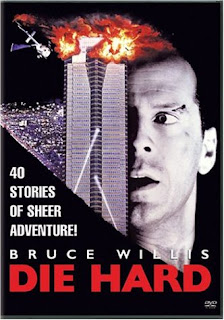
| One of the tightest scripts ever |
"Simple rule of thumb: don’t spend a dime on a book, a lesson, a seminar or advice if the person selling doesn't have a real movie credit ... Don’t spend a dime unless the seller has worked, is working and is gonna BE working. Multiple credits. A hit or two would be nice. Or recent critical acclaim, like a script on the Black List. A recent spec sale, or a spate of new gigs. Awards and nominations never hurt…"
In my experience, it isn't quite that black and white. I've known some brilliant acting teachers who've never made it as actors - but as teachers, they were practically Buddha. I'm just saying, you don't need to stand on top of Mount Everest to be able to see clearly. As for screenwriting, here are the three ways of learning I'd suggest to beginning writers - in this order of importance:
1. Watch movies and read scripts. Hundreds of them, thousands of them. Download the scripts, analyze the movies with the scripts as you watch them. You'll learn to spot why something works - you'll learn to feel structure. Hands down the best way to learn about screenwriting. Read "Die Hard" and you'll see what makes producers happy.
2. Visit conferences and festivals. They're a great way get first-hand insights from accomplished writers. It's also a great place to get empowered, to meet like-minded people, to pitch and to network. The last one I attended, the London Screenwriters' Festival, was simply outstanding.
3. Pick up those "How to" books. I'm listing this because those books are not all bad. But they all contain a lot of posturing by the gurus, so learn to separate those bits from the useful stuff. When I started out I picked up half a dozen of those books, read them and marked the things they all had in common. That's the solid stuff - as for the grandstanding - just ignore it. Again, don't rely on these books. Writing is not theory - it's doing it. All the time.
Basically, anything that gets you writing is at least worth considering. So if it's a McKee seminar that gets you writing - heck, if you have the dough, hop to it. Get in there, pick up what you can then hurry back to your cave and continue writing.
You don't need anyone's help to write. But if you choose external insights (books, consultants, etc.), pick wisely and filter what you get. There is some very useful knowledge and empowerment out there - but it'll never do the writing for you. If you're a writer, write. Write, soak in films, write, bathe in scripts, and write again - always write.


1 comment:
Spot on! Write.
Post a Comment