
To begin with, as you'll read everywhere else, once you're an established writer you can do this in any way you damn well please. Until then, stick to tested ways that are economical and professional.
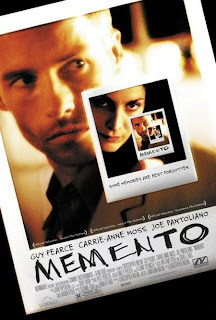 |
| Don't start out by trying something like this! |
Overall, a script should flow in many ways - you'll want to craft a multi-faceted, vibrant tapestry, vibrant in characters, twists and turns, locations and colors. You'll look for variation in everything you write, you'll look for the unique. In every scene you'll do whatever the hell you can to keep the reader/viewer alert. You'll make sure he never knows what happens next, he'll want to, he'll need to, turn the page to find out.
All of the above means that oftentimes you'll shift locations, you'll intercut, you'll jump from a quiet interior to a bustling exterior. You'll find plenty of films that never stay in the same location for consecutive scenes - but instead at the very least cut away to something else for a bit of variety. But sometimes staying in that one location, asking the audience to stick around, is actually very powerful. It can be a statement, for the film, for the character. And sometimes it's simply the most economical of things to do. Tell the story, no frills, get on with it.
Long intro out of the way - here's a few ways for you to deal with two consecutive scenes in one and the same location:
- EXT. CAVE - DAY (LATER) This is the standard and highly economical. You use a standard slug line and with the (later) indicate the passage of time in the same location.
- TIME LAPSE (also TIME CUT and LATER) Not entirely professional but I've seen it around. The first option may be considered more professional, but I like the clarity of this version - if you simply write these words instead of a slug line, the passage of time element really jumps out at the reader. In the action line you then indicate something like a digital clock so that it makes sense to the viewer.
- DISSOLVE TO: You can of course build a passage of time element into the scene. E.g. your character falls unconscious and the last thing he sees is the beginning of Lord of the Rings on television. Depending on the mood you want to go for, use a cut or dissolve to bring your character back to noticing the end of LOTR.
That's about it, I'd say. Any other useful, accepted, economical ways, just list them in the comments and I'll add them to this list one fine day.
Update: A few more options popped up in the screenwriting subreddit (if you're not there yet, join it - there's always lots of useful stuff there - and a community who's willing to engage, help, assist and rant on all things screenwriting):
Update: A few more options popped up in the screenwriting subreddit (if you're not there yet, join it - there's always lots of useful stuff there - and a community who's willing to engage, help, assist and rant on all things screenwriting):

