29 October 2013

You're in, you're out: Michael Arndt is off the Star Wars VII gig

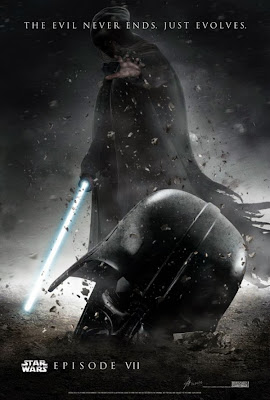
Michael Arndt (Toy Story 3, Little Miss Sunshine, Oblivion) is leaving the Star Wars VII world. Whether that's good or bad remains to be seen, but this publicly announced changes are good reminders for newbies and seasoned writers alike.

More often than not Hollywood is thought of as a bunch of executives focused solely on business. We all know stories of films where screenwriters were exchanged on a monthly basis, two, seven, ten - whatever. Where some are brought in for the action, some for the dialogue and executives just keep playing and paying that game in the hopes that the many chefs produce a scrumptious ten course menu... but that's the myth. The truth is that Hollywood is not a bunch of morons bent on minimizing risk (that does of course play a big role) but instead a melting pot of talent. When films go bust we blame the system (and the writers, of course) - but don't kid yourself, most of the time they don't go bust - they may not be smash box office bonanzas - but they do make money (unless of course the system goes nuts on the marketing side).

You see in the case of Michael Arndt you just need to read beyond the headline. Lucasfilm prez Kathleen Kennedy said "Michael Arndt has done a terrific job bringing us to this point and we have an amazing filmmaking and design team in place already prepping for production". There may have been creative differences, but I don't think so. I really think this was the ground work. Now JJ Abrams and Lawrence "Silverado" Kasdan (yeah he did some Star Wars, too - and a little flick called Raiders of the Lost Ark - but, dudes, Silverado!) are taking the script to the next level.

High hopes! I wish Leigh Brackett was still around to add a bit of the magic she brought to The Empire Strikes Back to Star Wars VII. So far, I'm pretty happy about what I hear regarding the next gazillion in the Star Wars franchise. Here's another high hope - and that goes for all of Hollywood - may Michael Arndt retain a credit on the final film. Yes there's word counts, arbitration and all that. But screenplays evolve and films are the results of an evolution that started with a first draft. I wish more writers got the credit they deserve - feel free to be more restrictive with the financial distribution - but give credit where credit's due.

About that evolutionary process: I once delivered a 3rd draft that had taken a seriously wrong turn and ended up in Hack City. The network wasn't pleased ... and I went back to work - the 4th draft nailed it ... but only because of that trip to Hack City - everything is part of the evolutionary process of a screenplay. May Michael Arndt (and everybody else out there!) get the recognition they deserve for putting in the late nights, the blood, sweat and screenwriting tears.

19 October 2013

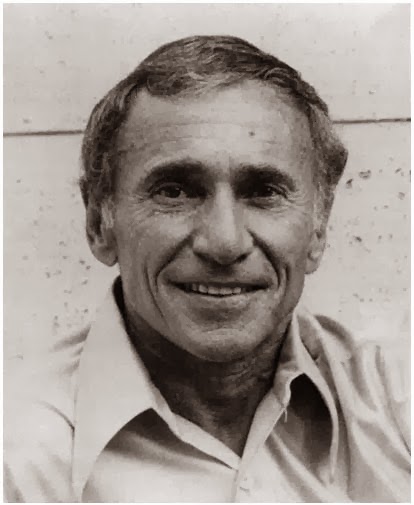
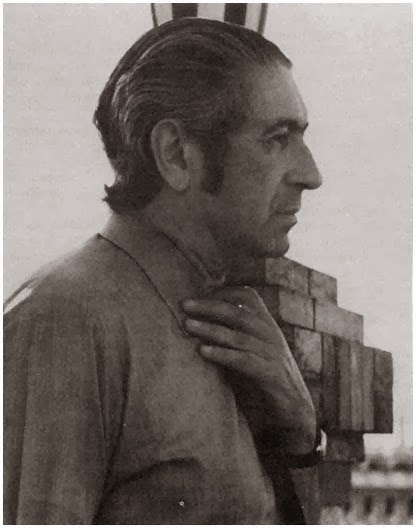
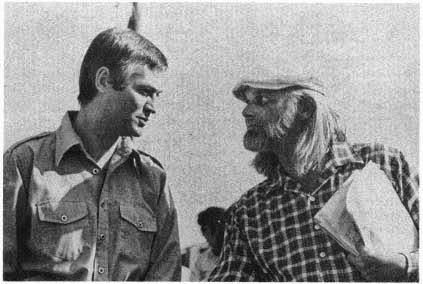
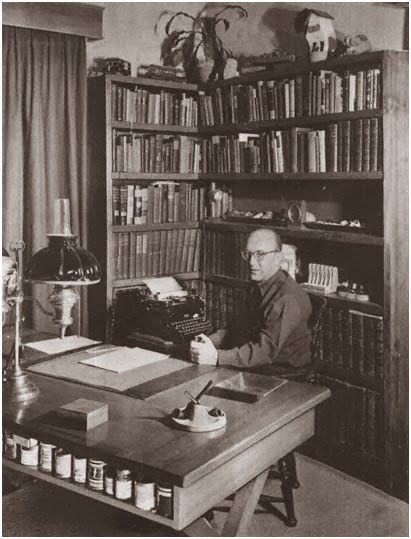
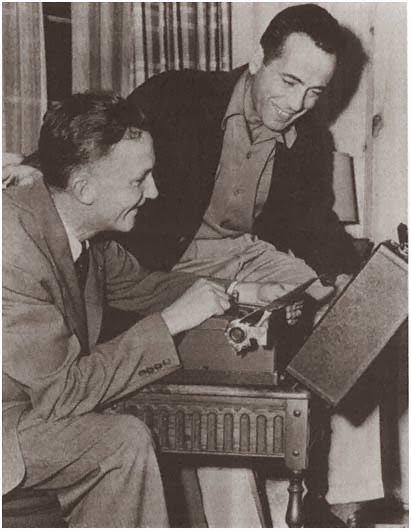
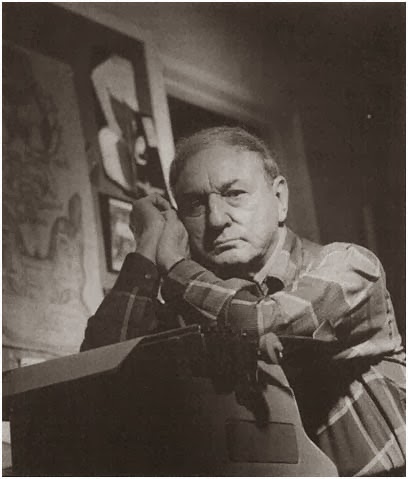
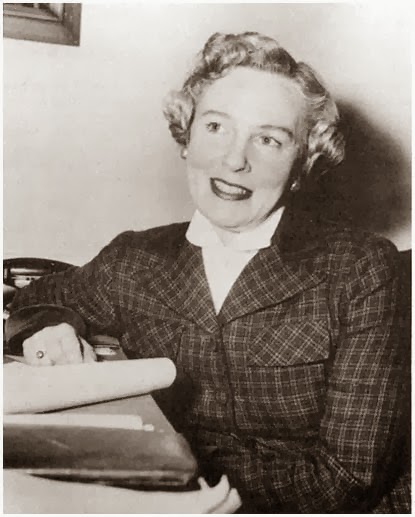
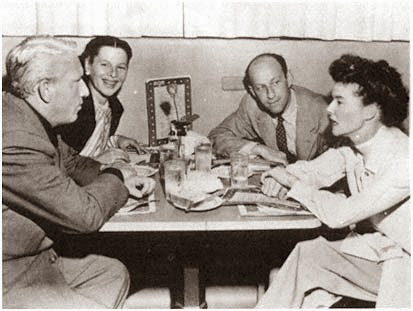
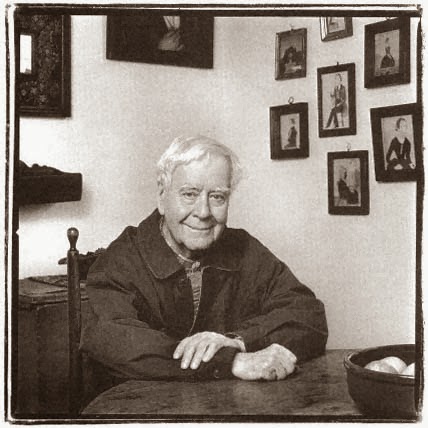
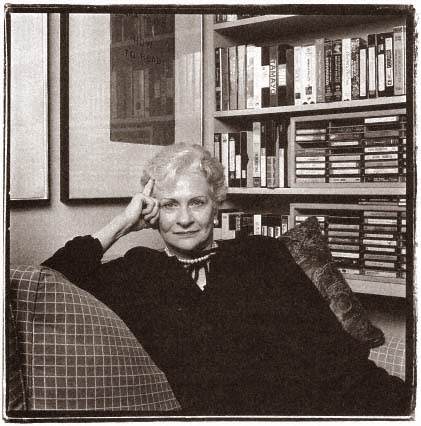
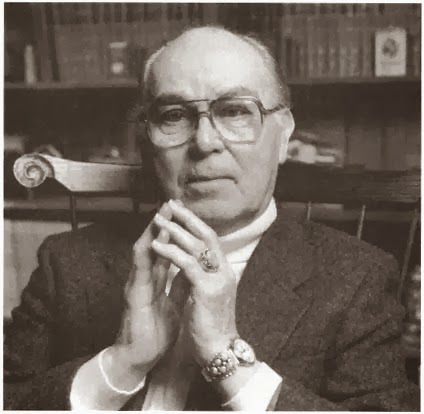
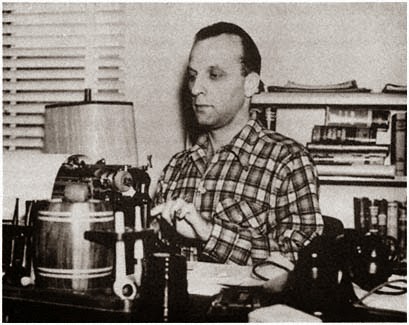
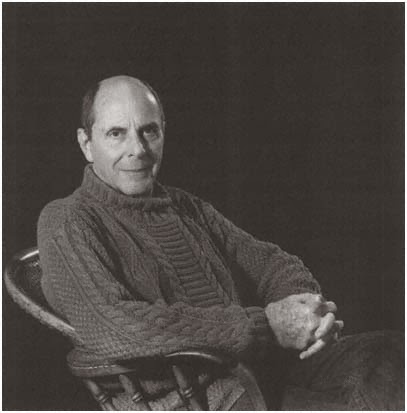
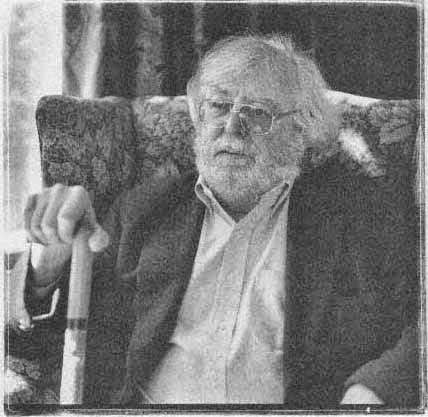
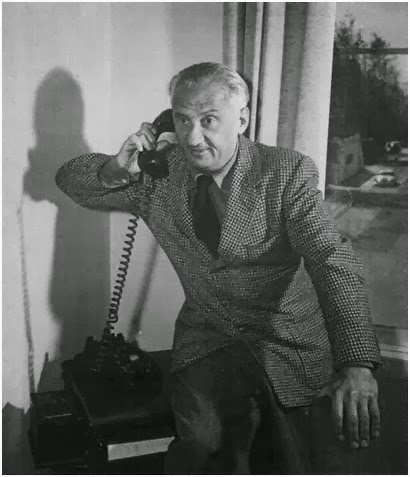
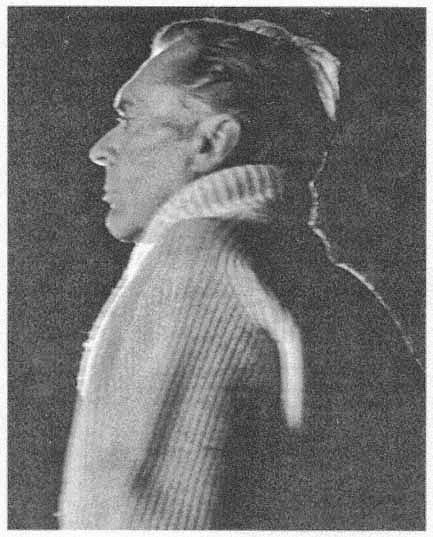
Some of the many unknown faces of screenwriters

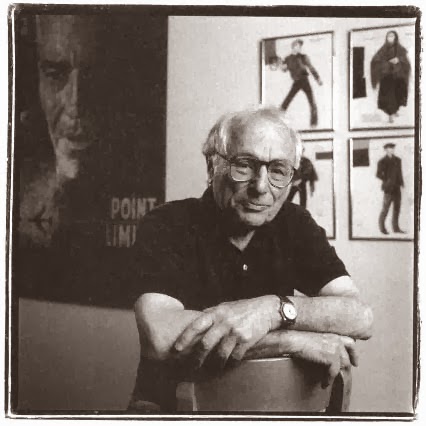
I've come across these images in Backstory 2 and Backstory 3 (great interviews, read them all!) and post them here so that I can add them to the Pinterest Screenwriters board.

Take a look at the pictures below, take a look at the ever-growing board on Pinterest - the faces of those who have given us many of the most iconic movie memories. How many of these faces do people know - heck, most have never even heard of the names!

As screenwriters we should know our history, we have much to be proud of. For me, it forms part of my 12 screenwriting principles - #6 > Know your world.

Arnold Schulman (Funny Lady, etc.)
>>> to the Backstory interview

Arthur Laurents (The Way We Were, etc.)
>>> to the Backstory interview

Ben Maddow (The Asphalt Jungle, etc.)
>>> to the Backstory interview

Charles B. Griffith (Little Shop of Horrors, etc.)
(with Roger Corman on left)
>>> to the Backstory interview

Curt Siodmak (The Wolf Man, etc.)
>>> to the Backstory interview

Daniel Mainwaring (Out Of The Past, etc.)
>>> to the Backstory interview

Daniel Taradash (From Here to Eternity, etc.)
>>> to the Backstory interview

Dorothy Kingsley (Valley of the Dolls, etc.)
>>> to the Backstory interview

Garson Kanin (Pat and Mike, etc.)
(here with Spencer Tracy, Ruth Gordon and Kat Hepburn)
>>> to the Backstory interview

George Axelrod (Breakfast at Tiffany's, etc.)
>>> to the Backstory interview

Horton Foote (To Kill a Mockingbird, etc.)
>>> to the Backstory interview

Jay Presson Allen (Cabaret, etc.)
>>> to the Backstory interview

John Michael Hayes (Rear Window, etc.)
>>> to the Backstory interview

Philip Yordan (El Cid, etc.)
>>> to the Backstory interview

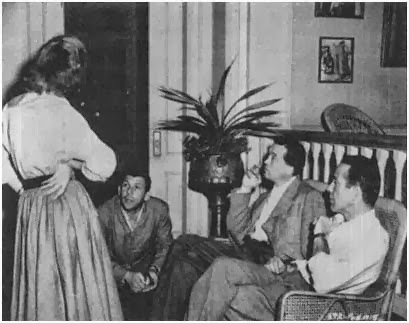
Richard Brooks (Key Largo, etc.)
(on set of Key Largo with Huston, Bacall and Bogart)
>>> to the Backstory interview

Richard Matheson (Duel, etc.)
>>> to the Backstory interview

Ring Lardner Jr. (MASH, etc.)
>>> to the Backstory interview

Stewart Stern (Rebel Without a Cause, etc.)
>>> to the Backstory interview

Terry Southern (Dr. Strangelove, etc.)
>>> to the Backstory interview

Walter Bernstein (The Molly Maguires, etc.)
>>> to the Backstory interview

Walter Reisch (Ninotchka, etc.)
>>> to the Backstory interview

Wendell Mayes (Anatomy of a Murder, etc.)
>>> to the Backstory interview


05 October 2013

Pacific Rim: It just goes to show ...

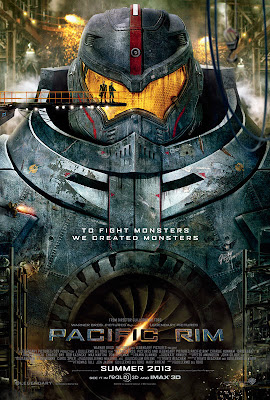
It came out in July, I've watched it now - yeah well, guess I must have been busy doing other things - writing, procrastinating, breathing. Did I like Pacific Rim? No. But as with every other film, it was an opportunity to analyze.

First off, I'm clearly in the minority - the movie cost 180m to make, and kinda tanked in the US, raking in just about 100m. BUT, it globally coasted past 400m, ranks 72% fresh on Rotten Tomatoes where a whopping 81% liked it. Screw it, so I may be wrong with what I write below - but I don't think so. To me, what Pacific Rim shows beautifully, is that even the best talent can get it wrong.

I hate it when people just bash films. I believe, especially for people like us, people invested in the business of film, there is a duty and a value to be thoughtful, respectful, open-minded and always learning. To me, there's a lot to learn from Pacific Rim. Guillermo Del Toro is a master of his craft and much of what he's crafted so far is simply awesome.

This filmmaker has had all the money and talent in the world at his fingertips to make Pacific Rim... and maybe that's where the trouble was. Forest for the trees and all that? Here's a rare filmmaker who has the guts to come out with a tentpole movie NOT based on anything already in existence (as Cameron did with Avatar). I read that Del Toro loves the Kaiju and Mecha genres. So this kid in the Hollywood candy store builds a world around that.

Here's what I wondered about (and would have done differently):

  • Robots: I get that Del Toro loves Mecha - but the setup of these robots was just silly - the whole idea was. You're saying we can build gigantic robots like that but we can't build them so that they're either remote-controlled or operated by a single pilot? I just didn't buy it. The mind-melding seemed like a plot device that ended up nothing more than fluff. 
    • I would have tried to find a story-essential reason for the mind-meld device. If I couldn't, I'd have killed that idea. Personally, I think storytelling would have been better served with something less clunky.
  • Kaiju: I get that Del Toro loves Kaiju - but even though they're from a different dimension they are here now and made of flesh and blood (kinda) and can be killed. So humanity decided to wait in the big cities for the monsters to come and destroy it all? How about stationing a few of super-robots at the rim as guardians and chop down anything trying to come out?
    • I would have made the monsters more powerful with a single weak spot. Make it clear that bombs, rockets, swords, saws etc. won't work - but that super-robots with super-pilots working in teams can tackle that one weak spot.
  • Worldbuilding: If you build a whole new world - if you choose to take the audience someplace where they haven't been before ... wouldn't you want them to see that world? By the end of the film I felt like it had been night and raining (either that or under water) the entire film. Honestly, people went to see Avatar because they loved exploring that world. People went to see Jurassic Park because they loved seeing the dinosaurs. It was new, it was fresh. If Spielberg had given us only murky, rainy glimpses of dinosaurs - we'd have been pissed.
    • I would have let it shine - sunny days, strong colors. On Wikipedia it actually says that Del Toro had envisioned an "earnest, colorful adventure story with an incredibly airy and light feel". Well I would have love just that! But I guess from his vision to the final movie pretty much everything took a murkier turn.
  • Exposition: The long-winded intro tells us that the enemy came from below and goes into this whole song and dance about what was ... any newbie writer would be told to cut it, kill the exposition and, most importantly, start later in the story.
    • I would have done just that - cut elements of the story, merge some and start the story later. Not the strange "we beat them, no we didn't, let's build a wall, etc. etc."
  • Originality: Slice any which way you please - the Jaegers were just like Transformers - just bigger with teensy little humans in them. Same difference - the battles were just like Transformer battles and, if anything, the ghoulish monsters were far lamer than anything Spielberg gave us in the original Jurassic Park (which came our way way back in 1993!) - or even Emmerich in the 1998 Godzilla.
    • I would not have claimed originality but instead played homage to the lot. That would have meant making a lighter film, more of a B-movie feel. Face it, the best things about Pacific Rim were Ron Perlman and the two scientist clowns ... they had the vibe the entire movie should have carried.
  • Cliches: Some people thought Pacific Rim was very original... really? We've seen the big robots, we've seen the monsters, we've seen mind-melds, we've seen the hunky hero who drops out just to come back in and save the world, we've seen the rugged commander with the soft spot hidden deep inside, we've seen the military banter, the reckless here and unprofessional there ... sometimes I literally couldn't believe that I was watching Del Toro. Some of the dialogue felt more like Michael Bay (on a bad day).
    • In a B-movie you can get away with cliches by making fun of them. In a vehicle as earnest as Pacific Rim that wouldn't do. I would have looked for stronger dialogue, more original characters and relationships.
  • Why: Movies should have a core. Why did the movie need to get made? If, at the very core of the story, was Del Toro's love for Kaiju and Mecha - then he clearly missed out. What was at the core? What was the heart of this film, what was the theme, what was the intent?
    • I would have spent the time finding that core, then infusing every element of the story with it.

In the end... again, in the Wikipedia post - Del Toro mentions that his real hope had been to bring Kaiju and Mecha genres to a new generation of children. Children. Again, forest for the trees. The Pacific Rim film I've seen didn't engage children - it's was too desperately trying to be real and dark and earnest - it was so grown up in most instances that there was simply no fun it it.

I love Hollywood. Sometimes it works, sometimes it doesn't. Guillermo Del Toro will go on to make films and some will be brilliant. And some won't. Hollywood. Nobody knows anything.